I have grown Alocasia plants for over ten years here in Ogun State, Nigeria. Our weather is warm, rainy, and sometimes very humid. These conditions can help Alocasia grow well, but only if you give the plant the right care.
Alocasia Nebula is a special type of Alocasia. Its dark, thick leaves look strong, but the plant can be sensitive. I learned this the hard way after losing my first plant because I did not understand its needs.
This Alocasia Nebula care guide shares simple tips that really work. You will learn how to keep your plant healthy, help it grow new leaves, and enjoy a thriving Alocasia Nebula in your home.
What is Alocasia Nebula?
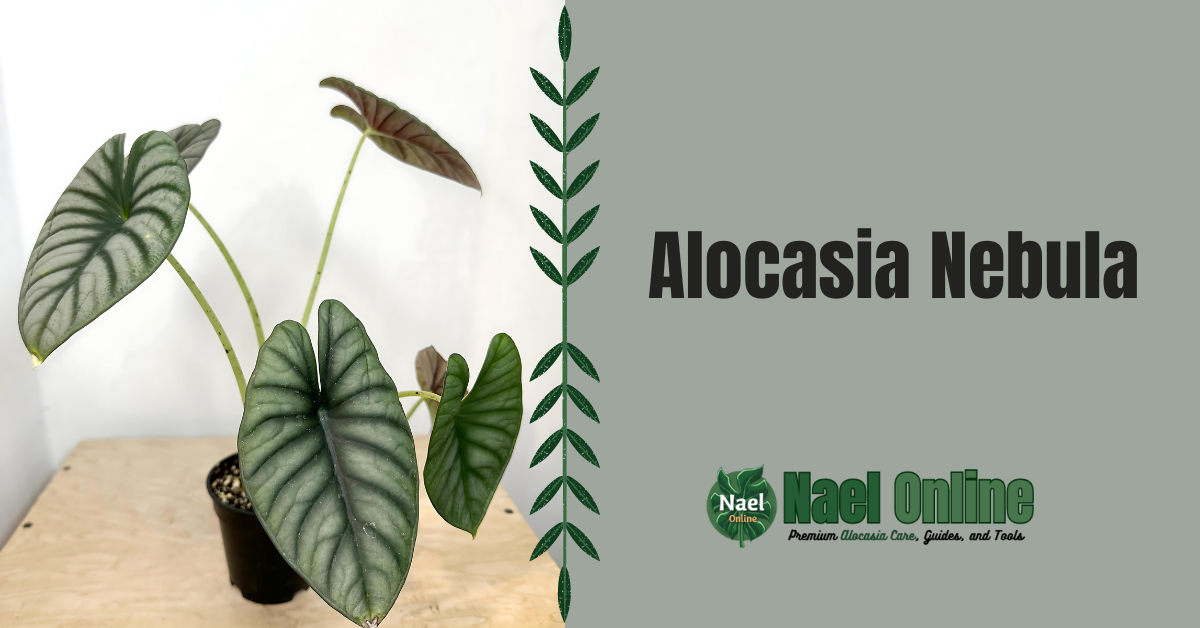
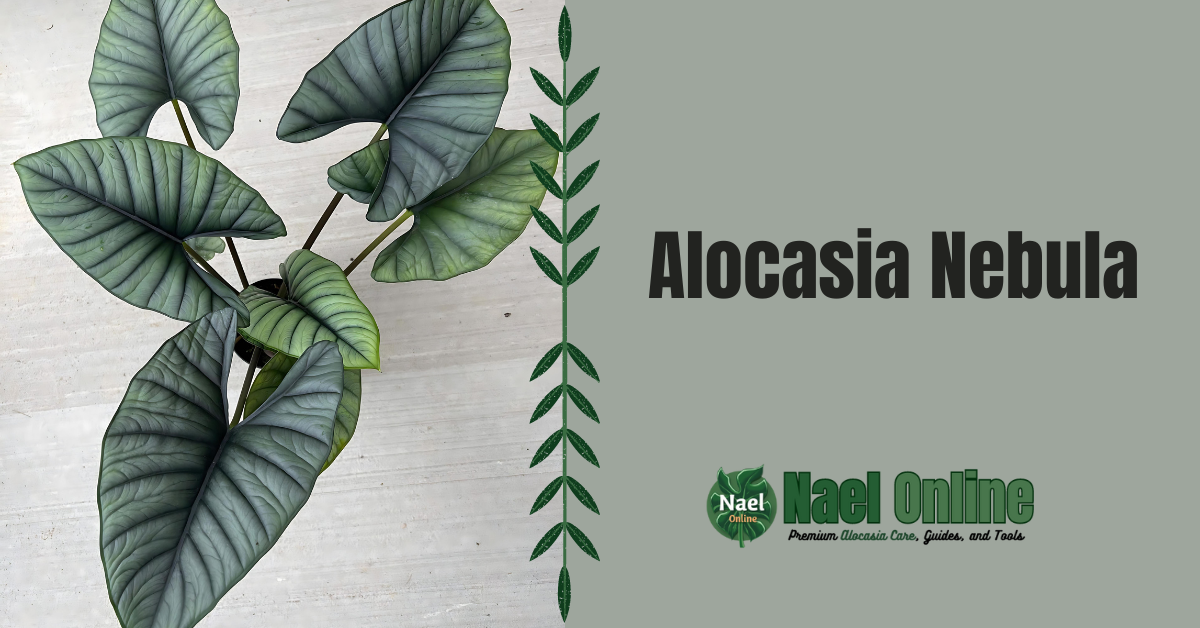
Alocasia nebula, often called the Nebula Elephant Ear, is a stunning tropical plant that’s been turning heads in the houseplant community. With its large, heart-shaped leaves adorned with silvery veins, it’s no wonder this beauty has plant enthusiasts buzzing.
Origin and History
Native to the lush rainforests of Southeast Asia, Alocasia nebula has a rich history deeply rooted in tropical climates. These plants have been admired for centuries, not just for their ornamental value but also for their cultural significance in many Asian countries.
Common Name
Nebula Elephant Ear
Scientific Name
Alocasia nebula
Benefits
Beyond its obvious aesthetic appeal, Alocasia nebula offers several benefits:
- Air purification: Like many tropical plants, it helps clean indoor air.
- Mood booster: Its lush foliage can improve your mood and reduce stress.
- Conversation starter: Trust me, visitors won’t be able to stop talking about this beauty!
Appearance and Characteristics
Alocasia nebula is a showstopper with its:
- Large, heart-shaped leaves
- Silvery-green coloration
- Prominent veining that resembles a cloudy sky (hence the name “nebula”)
- Compact growth habit, perfect for indoor spaces
Unique Features
What sets Alocasia nebula apart is its ethereal leaf pattern. The silvery veins create an almost cosmic effect against the dark green background, reminiscent of a starry night sky. It’s this unique characteristic that makes it a prized possession among plant collectors.
Caring and Growing Guide
Now, let’s get down to the nitty-gritty of Alocasia nebula care. After a decade of growing these beauties, I’ve learned a thing or two about keeping them happy.
| Care Aspect | Requirement |
|---|---|
| Light | Bright, indirect light |
| Water | Keep soil consistently moist, not soggy |
| Temperature | 65-80°F (18-27°C) |
| Humidity | High (60-80%) |
| Soil | Well-draining, rich potting mix |
| Fertilizer | Balanced, liquid fertilizer monthly during growing season |
Light Requirements
Alocasia nebula thrives in bright, indirect light. In my experience, placing it near an east-facing window works wonders. If you’ve got a south or west-facing window, a sheer curtain can help diffuse the intense afternoon sun.
Watering Needs
These plants like their soil consistently moist but not waterlogged. I water mine when the top inch of soil feels dry. Pro tip: use lukewarm water to avoid shocking the roots.
Temperature and Humidity
Alocasia nebula loves warmth and humidity. Aim for temperatures between 65-80°F (18-27°C) and humidity levels of 60-80%. If you’re in a dry climate like some parts of the US, a humidifier can be a game-changer.
Soil and Fertilizer
A well-draining, rich potting mix is crucial. I use a mix of peat moss, perlite, and orchid bark. Feed your Alocasia nebula with a balanced, liquid fertilizer monthly during the growing season (spring and summer).
Detailed Propagation Guide
Propagating Alocasia nebula can be a rewarding experience. Here’s how I do it:
- Division:
- Carefully remove the plant from its pot
- Gently separate the rhizomes, ensuring each division has roots and at least one leaf
- Pot each division in fresh soil
- Keep the soil moist and maintain high humidity until new growth appears
- Offsets:
- Look for small plantlets (offsets) growing at the base of the mother plant
- Once they have a few leaves and roots, carefully separate them
- Plant in a small pot with fresh soil
- Treat them like adult plants, but be extra gentle with watering and light exposure
Remember, patience is key when propagating Alocasia nebula. It might take a while, but the result is worth it!
Detailed Pruning Guide
Pruning your Alocasia nebula isn’t just about aesthetics; it’s crucial for the plant’s health. Here’s my approach:
- Remove yellowing or damaged leaves: Cut them off at the base of the stem using clean, sharp scissors.
- Manage size: If your plant is getting too big for its space, you can remove some of the older, outer leaves.
- Encourage new growth: Pruning can stimulate the plant to produce new leaves. Focus on removing older leaves to make way for fresh growth.
- Clean cuts: Always make clean cuts to prevent disease. I sterilize my tools with rubbing alcohol between cuts.
- Timing: Spring and summer are ideal for pruning when the plant is in its active growing phase.
Detailed Repotting Guide
Repotting is crucial for maintaining a healthy Alocasia nebula. Here’s my tried-and-true method:
- Timing: Repot in spring, every 2-3 years or when roots start peeking out of drainage holes.
- Pot selection: Choose a pot 1-2 inches larger in diameter with good drainage holes.
- Soil preparation: Use a fresh, well-draining potting mix. I add extra perlite for improved drainage.
- Removal: Gently remove the plant from its current pot, being careful not to damage the roots.
- Root inspection: Check for any rotting or damaged roots and trim them off with clean scissors.
- Repotting: Place the plant in the new pot at the same depth it was previously growing. Fill in with fresh soil, gently tamping down to remove air pockets.
- Aftercare: Water thoroughly and place in a spot with bright, indirect light. Avoid fertilizing for a month to allow the plant to adjust.
Toxicity
It’s important to note that Alocasia nebula, like other Alocasias, is toxic if ingested. The plant contains calcium oxalate crystals which can cause irritation and swelling in the mouth and digestive tract. Keep it out of reach of children and pets.
Common Pests and Diseases
In my decade of growing Alocasia nebula, I’ve encountered a few pesky problems. Here’s what to watch out for:
- Spider mites: These tiny pests love the undersides of leaves. Regular misting and increasing humidity can help prevent infestations.
- Mealybugs: These cottony pests can be removed with a cotton swab dipped in rubbing alcohol.
- Root rot: Overwatering is the main culprit. Ensure your pot has good drainage and let the top inch of soil dry between waterings.
- Leaf spot: Fungal infections can cause brown spots on leaves. Improve air circulation and avoid getting water on the leaves.
- Yellowing leaves: Often a sign of overwatering or nutrient deficiency. Adjust your watering schedule and consider a balanced fertilizer.
Comparison with Other Species and Varieties
While Alocasia nebula is stunning, it’s worth comparing it to some of its cousins:
- Alocasia Polly: Smaller leaves with more pronounced white veins. Easier to care for than nebula.
- Alocasia Amazonica: Similar care requirements but with darker leaves and more dramatic veining.
- Alocasia Zebrina: Known for its zebra-striped stems rather than patterned leaves.
- Alocasia Frydek: Often confused with nebula, but has darker leaves with more defined veins.
Alocasia nebula stands out for its unique silvery-green coloration and cloud-like veining pattern, making it a true collector’s item.
Alocasia Nebula for Sale
Finding Alocasia nebula for sale can be tricky as it’s not as common as other Alocasia varieties. Here are some tips:
- Specialty nurseries: Look for nurseries that specialize in rare tropical plants.
- Online plant shops: Many reputable online retailers offer rare Alocasias.
- Plant swaps or groups: Join local plant enthusiast groups; you might find someone willing to trade or sell.
- Garden shows: Rare plant exhibitions often feature uncommon Alocasias.
Remember to buy from reputable sources to ensure you’re getting a healthy, correctly identified plant.
Alocasia Nebula Price
The price of Alocasia nebula can vary widely depending on the size, rarity, and seller. In my experience:
- Small plants (4-6 inch pots): $50-$100
- Medium plants (6-8 inch pots): $100-$200
- Large, mature plants: $200+
Prices can be higher for variegated or particularly rare specimens. Always factor in shipping costs when buying online.
Frequently Asked Questions
1. How often should I water my Alocasia nebula?
Water when the top inch of soil feels dry. This usually means watering once or twice a week, depending on your environment.
2. Can Alocasia nebula tolerate low light?
While it can survive in lower light, it won’t thrive. Bright, indirect light is best for optimal growth and leaf coloration.
3. Why are my Alocasia nebula’s leaves turning yellow?
Yellowing leaves often indicate overwatering. Ensure your pot has good drainage and adjust your watering schedule.
4. How can I increase humidity for my Alocasia nebula?
Use a humidifier, place a pebble tray filled with water under the pot, or group it with other plants to create a humid microclimate.
5. Is Alocasia nebula difficult to care for?
It’s moderately challenging. With the right conditions and care, even beginners can successfully grow this beautiful plant.
There you have it, folks! Everything you need to know about growing and caring for the stunning Alocasia nebula. Remember, every plant is unique, so don’t be afraid to adjust your care routine based on your plant’s specific needs.
Before you go, don’t forget to check out our shop at https://lexivo.com.ng/shop/ for all your Alocasia nebula care essentials. From perfect pots to premium fertilizers, we’ve got everything you need to help your nebula thrive.
Happy planting, and may your Alocasia nebula grow as beautifully as the night sky it’s named after!