7 Best Alocasia Plants to Grow in Nigeria: Expert Guide for Tropical Success (2025)


Growing the perfect Alocasia plant in Nigeria isn’t just about picking any variety. After ten years of nurturing these stunning tropical beauties in Lagos’s humid climate, I’ve learned which varieties truly thrive in our unique weather conditions.
Nigeria’s tropical environment offers incredible advantages for Alocasia growers. Our natural humidity and warm temperatures create ideal conditions. However, choosing the wrong variety can lead to disappointment and plant loss.
The best Alocasia plant to grow in Nigeria depends on your specific location and growing conditions. Whether you’re in humid Lagos or drier northern regions, this guide covers everything you need to know.
Why Alocasia Plants Love Nigeria’s Climate
Nigeria’s tropical climate mirrors the natural habitat of most Alocasia species. Our country’s weather patterns provide several advantages for these magnificent plants.
Temperature Benefits
Most areas in Nigeria maintain temperatures between 22-32°C year-round. This range perfectly matches what Alocasia prefer for healthy growth: ideally 25-30°C for sprouting and 22-26°C for vegetative growth.
During my early years growing Alocasias in Abuja, I noticed plants struggled during harmattan season. The dry winds and lower humidity affected leaf development significantly.
Southern Nigeria offers more consistent conditions. Cities like Lagos, Port Harcourt, and Calabar provide natural humidity levels that these plants crave.
Humidity Advantages
Alocasias thrive in environments where humidity often exceeds 80%, with frequent rainfall and dense, humid air. Nigeria’s coastal regions naturally provide these conditions during rainy seasons.
I remember visiting a client in Warri whose Alocasia collection was absolutely stunning. The Delta region’s consistent moisture created a natural greenhouse effect for her plants.
However, indoor growers in drier regions still achieve success with proper humidity management techniques. Simple solutions like pebble trays work wonders.
Top 7 Best Alocasia Varieties for Nigerian Growers

After testing dozens of varieties across different Nigerian climates, these seven consistently perform best. Each offers unique benefits for local growing conditions.
1. Alocasia Polly (African Mask Plant)
Why it’s perfect for Nigeria: Compact size and high tolerance for varying humidity levels make this ideal for beginners.
The Polly Alocasia features compact, dark green, arrow-shaped leaves with creamy white veins and wavy edges, growing 18–24 inches tall. This manageable size fits perfectly in Nigerian homes and apartments.
My Lagos apartment dwellers consistently report success with Alocasia Polly. Its smaller size means lower water requirements and easier humidity management.
Best locations in Nigeria: Lagos, Abuja, Kano, Port Harcourt
Care difficulty: Beginner-friendly
2. Alocasia Amazonica
This hybrid variety adapts exceptionally well to Nigeria’s climate variations. Alocasia Amazonica is a striking hybrid that can be propagated and cared for all year.
During the dry season in northern Nigeria, Amazonica shows remarkable resilience. Its waxy leaves help retain moisture better than other varieties.
One client in Kaduna successfully grows three Amazonica plants using only morning sunlight and evening misting. Her secret involves placing them near a north-facing window.
Best locations in Nigeria: All regions, especially adaptable to seasonal changes
Care difficulty: Intermediate
3. Alocasia Black Velvet
Black Velvet‘ dazzles its growers with its distinctive color and veining, with foliage that continues to darken with time. This compact variety stays manageable in size while offering dramatic visual impact.
Nigerian plant collectors particularly love Black Velvet for its unique appearance. The velvety texture and silver veining create stunning focal points in any space.
I’ve noticed this variety performs exceptionally well in filtered light conditions common in Nigerian homes. Direct tropical sunlight can damage the delicate leaves.
Best locations in Nigeria: Lagos, Benin City, Enugu, Calabar
Care difficulty: Intermediate to Advanced
4. Alocasia Corazon (Blue Metallic)
The corazon Alocasia is best known for its shiny bluish-green leaves. The plant can usually only maintain two or three leaves at once, but they are large and noticeable.
This variety’s metallic sheen catches light beautifully in Nigeria’s bright interiors. Its lower leaf count makes maintenance easier for busy plant parents.
A Port Harcourt collector showed me her stunning Corazon specimen growing under a skylight. The natural light enhanced the metallic qualities dramatically.
Best locations in Nigeria: Coastal regions with consistent humidity
Care difficulty: Intermediate
5. Alocasia Portei (Malaysian Monster)
For Nigerian growers seeking drama, Alocasia portei features distinctive, deeply lobed leaves that remind of giant, tropical arugula. This showstopper variety thrives in our humid conditions.
Larger growing spaces in Nigeria accommodate this variety well. Compound courtyards and spacious living areas showcase its impressive size potential.
One Ibadan grower cultivates a magnificent Portei in her covered patio. The filtered light and rain protection create perfect growing conditions.
Best locations in Nigeria: Areas with high ceilings and space for growth
Care difficulty: Advanced
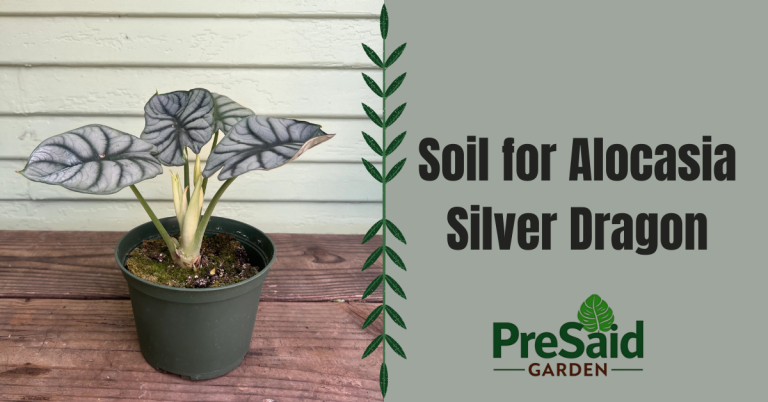
6. Alocasia Silver Dragon
Alocasia ‘Silver Dragon‘ stands out with its silvery-green foliage and distinctive, dragon-like texture. This modern variety combines striking appearance with reasonable care requirements.
Nigerian interior designers increasingly request Silver Dragon for upscale projects. Its variegated patterns complement contemporary Nigerian home aesthetics perfectly.
The variety handles Nigeria’s variable light conditions well. Both bright indirect light and moderate shade produce healthy growth.
Best locations in Nigeria: Urban areas with modern lighting
Care difficulty: Intermediate
7. Alocasia Frydek
This variety offers heart-shaped leaves with prominent white veining. Frydek adapts well to Nigeria’s climate when provided with consistent moisture and humidity.
Nigerian plant communities particularly praise Frydek’s growth speed and leaf production. New leaves emerge regularly during our rainy seasons.
Container growing works excellently for this variety. Many Nigerian apartments successfully house Frydek in decorative pots near windows.
Best locations in Nigeria: All regions with proper humidity management
Care difficulty: Beginner to Intermediate
Complete Care Guide for Nigerian Conditions
Growing healthy Alocasia plant to grow in Nigeria requires understanding our unique environmental challenges. These proven techniques ensure success across all varieties.
Light Requirements
Nigeria’s intense sunlight requires careful light management for Alocasias. Direct afternoon sun will scorch delicate leaves within hours.
Best lighting solutions:
- East-facing windows for gentle morning light
- Filtered south-facing exposure through sheer curtains
- North-facing locations for consistent indirect light
- Covered outdoor areas with bright shade
I learned this lesson the hard way when I first moved to Lagos. My beautiful Polly suffered severe leaf burn within a week of direct window placement.
Watering in Nigerian Climate
Our alternating wet and dry seasons create unique watering challenges. Keep an eye out for cues from your Alocasia. Crispy leaves suggest a need for more humidity.
Seasonal watering schedule:
- Rainy season: Reduce frequency, check soil moisture carefully
- Dry season: Increase frequency, never let soil completely dry
- Harmattan period: Daily misting essential for northern regions
Water quality matters: Lagos tap water often contains high chlorine levels. Let water sit overnight before using, or collect rainwater during wet seasons.
Humidity Management Across Nigeria
Alocasia thrives in humid environments. It is best to keep the air humidity level between 60 and 80%. Different Nigerian regions require different approaches.
For coastal areas (Lagos, Port Harcourt, Calabar): Natural humidity often suffices during rainy season. Dry season requires minimal supplementation through misting or pebble trays.
For inland areas (Abuja, Kaduna, Jos): Year-round humidity management essential. Room humidifiers provide consistent results for serious collectors.
For northern regions (Kano, Maiduguri): Aggressive humidity management required. Group plants together and use multiple humidity sources.
Soil Requirements
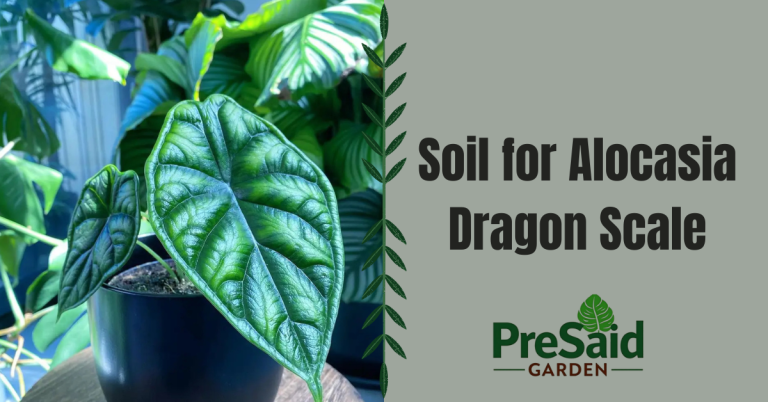
Nigerian soil varies dramatically across regions. Creating the perfect Alocasia plant to grow in Nigeria mix requires understanding drainage principles.
Ideal soil composition:
- 40% quality potting mix
- 30% perlite or coarse sand for drainage
- 20% coconut coir or peat moss for moisture retention
- 10% worm castings for nutrition
Lagos clay soil retains too much moisture. Northern sandy soil drains too quickly. Custom soil mixes solve both problems.
Local materials work excellently. River sand from construction sites provides good drainage. Palm kernel shells substitute for expensive perlite.
Regional Growing Guide for Nigeria
Lagos and Southwest Nigeria
Climate advantages: High humidity, consistent temperatures, good rainfall distribution
Challenges: Air pollution affects leaf cleanliness, limited space for large varieties
Best varieties: Polly, Black Velvet, Silver Dragon, Frydek
Special tips: Regular leaf cleaning essential due to dust. Balcony growing possible with proper wind protection.
My Lagos clients achieve excellent results with compact varieties on covered balconies. Morning light and afternoon shade create ideal conditions.
Abuja and North Central Nigeria
Climate advantages: Moderate temperatures, distinct seasons allow rest periods
Challenges: Dry season stress, harmattan winds, lower natural humidity
Best varieties: Amazonica, Polly, Frydek
Special tips: Winter protection essential during harmattan. Indoor growing recommended for valuable specimens.
Abuja’s climate teaches patience with Alocasias. Plants naturally slow growth during dry periods, resuming vigor with rain return.
Port Harcourt and South-South Nigeria
Climate advantages: Excellent humidity levels, minimal temperature variation, regular rainfall
Challenges: Occasional flooding, very high humidity can encourage fungal issues
Best varieties: All varieties thrive, especially larger types like Portei
Special tips: Ensure excellent drainage during peak rainy season. Monitor for fungal problems in very humid periods.
The Delta region provides Nigeria’s best natural Alocasia conditions. Plants often outperform greenhouse-grown specimens.
Kano and Northern Nigeria
Climate advantages: Distinct dry season allows natural dormancy, intense wet season promotes growth
Challenges: Extreme seasonal variation, very low humidity during dry season, dust storms
Best varieties: Hardy varieties like Amazonica and Polly
Special tips: Seasonal growing approach works well. Allow semi-dormancy during harmattan, resume active care with rains.
Northern growers develop different relationships with their plants. Seasonal rhythms create unique growing experiences unavailable elsewhere.
Alocasia Care Calendar for Nigerian Growers
| Month | Care Focus | Watering | Humidity | Fertilizing |
|---|---|---|---|---|
| Jan | Harmattan protection | Reduce frequency | Increase significantly | None |
| Feb | Monitor for stress | Light watering | High supplementation | None |
| Mar | Prepare for growth | Begin increase | Continue high | Light feeding |
| Apr | Active growth starts | Regular schedule | Moderate help needed | Monthly feeding |
| May | Peak growing | Consistent moisture | Natural levels good | Bi-weekly feeding |
| Jun | Rainy season care | Monitor drainage | Often sufficient | Monthly feeding |
| Jul | Peak humidity | Careful not to overwater | Usually excessive | Light feeding |
| Aug | Continue growth | Maintain moisture | Monitor for fungal issues | Monthly feeding |
| Sep | Steady growing | Regular watering | Still high naturally | Bi-weekly feeding |
| Oct | Prepare for dry season | Gradual increase | Begin supplementation | Monthly feeding |
| Nov | Transition period | Maintain moisture | Increase help | Light feeding |
| Dec | Early dry season | Regular watering | Humidity support needed | None |
This calendar reflects ten years of growing experience across different Nigerian climates. Adjust timing based on your specific location’s weather patterns.
Common Mistakes Nigerian Growers Make
Overwatering During Rainy Season
Lagos rainy season tempts many growers to maintain regular watering schedules. Soggy soil leads to root rot faster than drought stress.
Solution: Check soil moisture before every watering. Invest in a simple moisture meter for accurate readings.
Ignoring Harmattan Effects
Northern and central Nigerian growers often underestimate harmattan’s impact. Dry winds desiccate leaves quickly, causing permanent damage.
Solution: Move plants away from windows during harmattan. Increase humidity supplementation significantly.
Wrong Container Choices
Beautiful ceramic pots without drainage holes kill more Alocasias than any pest or disease. Nigeria’s climate variations demand excellent drainage.
Solution: Always use containers with drainage holes. Add saucers to protect furniture while maintaining drainage.
Neglecting Air Circulation
Alocasia plants thrive in high humidity, but proper air circulation prevents fungal issues. Stagnant humid air breeds problems.
Solution: Use fans on low settings during very humid periods. Position plants where gentle air movement occurs naturally.
Propagation Success in Nigerian Climate
Division Method
Nigeria’s warm temperatures accelerate Alocasia division recovery. Best timing coincides with early rainy season for faster establishment.
Step-by-step process:
- Remove parent plant from container during cooler morning hours
- Gently separate offset corms with clean, sharp knife
- Allow cut surfaces to dry for 2-4 hours in shaded area
- Plant divisions in prepared soil mix
- Keep consistently moist but not waterlogged
- Expect new growth within 2-3 weeks
Leaf Cutting Propagation
Some varieties propagate successfully from leaf cuttings in Nigeria’s humid conditions. Success rates improve during wet season months.
Requirements for success:
- High humidity (80%+)
- Consistent warmth (25-28°C)
- Bright indirect light
- Sterile cutting tools and soil
Corm Storage
Nigerian power fluctuations make refrigerated corm storage challenging. Room temperature storage works with proper preparation.
Storage method:
- Clean corms thoroughly after removal
- Dry completely in shaded, ventilated area
- Dust with fungicide powder (available at Lagos markets)
- Store in newspaper-lined boxes
- Check monthly for sprouting or rot
Troubleshooting Common Problems
Yellow Leaves
Causes in Nigerian climate:
- Overwatering during rainy season
- Underwatering during dry season
- Natural aging process
- Sudden temperature changes
Solutions: Adjust watering to match seasonal needs. Remove yellowing leaves cleanly at base. Monitor soil moisture consistently.
Brown Leaf Tips
Primary causes:
- Low humidity during dry season
- Fluoride in tap water
- Overfertilization
- Air pollution (common in cities)
Solutions: Increase humidity supplementation. Use filtered or rainwater. Reduce fertilizer concentration. Clean leaves weekly in urban areas.
Stunted Growth
Nigerian-specific causes:
- Insufficient light due to cloudy wet season
- Root bound conditions in small containers
- Nutrient depletion in organic potting mixes
- Pest pressure during humid months
Solutions: Supplement with grow lights during extended cloudy periods. Repot annually or when roots circle container. Fertilize regularly during growing season.
Pest Management
Common pests in Nigeria: Spider mites during dry season, aphids year-round, scale insects on indoor plants, thrips during dusty periods.
Integrated pest management:
- Weekly leaf inspection and cleaning
- Neem oil treatments every two weeks
- Beneficial insects when possible
- Quarantine new plants for 30 days
Advanced Growing Techniques
Greenhouse Growing in Nigeria
Several Nigerian commercial growers successfully operate Alocasia greenhouses. Key modifications address our unique climate challenges.
Structural requirements:
- Excellent ventilation to prevent overheating
- Shade cloth rated 50-70% for sun protection
- Drainage systems for heavy rainfall periods
- Backup power for cooling systems
Hydroponic Systems
Lagos entrepreneurs experiment with hydroponic Alocasia production. Results show promise but require careful monitoring.
Benefits: Precise nutrition control, faster growth, no soil-borne diseases
Challenges: High electricity costs, technical expertise needed, initial equipment investment
Companion Planting
Traditional Nigerian gardens offer inspiration for Alocasia companion plantings. Certain combinations provide mutual benefits.
Excellent companions:
- Ferns for humidity buffering
- Prayer plants for ground coverage
- Begonias for similar light needs
- Caladiums for seasonal interest
Seasonal Care Adjustments

Rainy Season Strategy (April-October)
Nigeria’s wet season creates ideal growing conditions but requires careful management. Excessive moisture poses the greatest threat.
Key focuses:
- Monitor drainage constantly
- Reduce fertilizer frequency
- Watch for fungal issues
- Provide air circulation
During heavy Lagos rains, I move outdoor containers to covered areas. Standing water kills roots faster than drought conditions.
Dry Season Strategy (November-March)
Water conservation becomes critical during Nigeria’s dry season. Strategic care maintains plant health while preserving resources.
Essential practices:
- Morning watering to reduce evaporation
- Mulch containers to retain moisture
- Group plants for microclimate creation
- Shield from drying harmattan winds
Harmattan Preparation
Northern Nigeria’s harmattan season tests even experienced growers. Preparation makes the difference between survival and loss.
Protection measures:
- Move sensitive varieties indoors
- Increase humidity supplementation
- Protect from direct wind exposure
- Reduce watering frequency slightly
Building Your Alocasia Collection
Budget-Friendly Starting Points
New Nigerian growers often feel overwhelmed by variety choices and costs. Smart selection builds impressive collections affordably.
Best starter varieties:
- Alocasia Polly – widely available, forgiving care
- Alocasia Amazonica – adapts to various conditions
- Alocasia Frydek – fast growth, easy propagation
Money-saving tips:
- Join Nigerian plant swap groups on social media
- Attend local plant markets in Lagos and Abuja
- Start with smaller specimens and grow them up
- Trade propagations with other collectors
Rare Variety Acquisition
Nigeria’s growing plant collector community increasingly values rare Alocasia varieties. Patience and networking yield the best results.
Finding rare plants:
- Connect with other serious collectors
- Monitor international shipping opportunities
- Participate in plant society auctions
- Develop relationships with local nurseries
Collection Management
Large Alocasia collections require systematic approaches to thrive in Nigerian conditions. Organization prevents overwhelming care routines.
Effective systems:
- Label all plants with variety and acquisition date
- Keep care logs to track individual needs
- Photograph plants monthly to monitor progress
- Maintain backup propagations of favorites
Expert Insights from Nigerian Growers
Quote from Lagos Collector Sarah Adebayo
“Growing Alocasias in Lagos taught me patience and observation. Our climate gives us advantages, but success comes from understanding each plant’s individual needs. I’ve learned more from watching my plants than from any book or video.”
Sarah’s collection of over 40 varieties spans her Lekki apartment and office space. Her systematic approach inspires newcomers throughout Lagos plant communities.
Case Study: Abuja Commercial Grower
Michael Okafor operates Nigeria’s largest Alocasia nursery from his Abuja greenhouse complex. His insights into large-scale production reveal scalable techniques.
Key success factors:
- Automated irrigation systems reduce labor costs
- Locally-sourced growing media cuts expenses significantly
- Gradual acclimatization improves customer success rates
- Regional distribution reduces shipping stress
Annual production: Over 2,000 plants across 15 varieties
Customer success rate: 85% report plants thriving after one year
Research Collaboration with University of Lagos
Dr. Folake Adeyemi’s botanical research program studies Alocasia adaptation to Nigerian microclimates. Preliminary findings support optimal variety selection.
Research highlights:
- Coastal humidity levels support most Alocasia varieties
- Soil pH modifications improve inland growing success
- Seasonal dormancy patterns differ from published literature
- Local pest populations require adjusted management strategies
Safety Considerations for Nigerian Growers
Plant Toxicity Awareness
All Alocasia varieties contain calcium oxalate crystals that irritate skin and digestive systems. Nigerian households with children require extra precautions.
Safety measures:
- Wear gloves during all plant handling
- Keep plants out of children’s reach
- Educate family members about toxicity
- Have emergency contact information readily available
Pesticide and Fertilizer Safety
Nigeria’s agricultural chemical market includes products unsuitable for houseplant use. Always verify safety ratings and application methods.
Safe product selection:
- Choose products specifically labeled for houseplants
- Avoid agricultural-strength concentrations
- Read and follow all label directions completely
- Store chemicals safely away from living spaces
Disclaimer: Always research and verify the safety of any chemical treatments before use. Consult agricultural extension services for guidance on appropriate products.
Electrical Safety with Grow Lights
Nigeria’s electrical infrastructure requires extra caution when using supplemental lighting or humidification equipment.
Electrical precautions:
- Use surge protectors with all equipment
- Ensure proper grounding for water-adjacent devices
- Schedule regular electrical system inspections
- Have backup power plans for critical equipment
Frequently Asked Questions
1. Which Alocasia variety grows best in Lagos apartments?
Alocasia Polly consistently performs best in Lagos apartment conditions. Its compact 18-24 inch size fits most spaces, while its tolerance for varying humidity levels suits apartments without climate control. The variety adapts well to Lagos’s filtered light conditions and responds positively to regular misting during dry periods.
2. Can I grow large Alocasia varieties outdoors in Nigeria year-round?
Yes, but success depends on your location within Nigeria. Coastal regions like Lagos, Port Harcourt, and Calabar provide suitable conditions for larger varieties like Alocasia Portei. However, you must provide protection from direct afternoon sun and heavy rainfall. Northern regions require seasonal adjustments, bringing plants indoors during harmattan season.
3. How do I manage Alocasia watering during Nigeria’s rainy season?
During rainy season (April-October), reduce watering frequency significantly and monitor soil moisture constantly. Check drainage holes regularly to prevent water accumulation. Move containers to covered areas during heavy downpours. Allow soil to dry slightly between waterings, as natural humidity provides moisture support.
4. What’s the best soil mix for Alocasias using materials available in Nigeria?
Create an effective mix using 40% quality potting soil, 30% river sand (washed), 20% coconut coir, and 10% worm castings or compost. Palm kernel shells can substitute for expensive perlite. This combination provides drainage while retaining appropriate moisture levels for Nigerian growing conditions.
5. How can I increase humidity for my Alocasia during harmattan season?
During harmattan (December-February), use multiple humidity strategies: place pebble trays filled with water around plants, mist leaves daily with distilled water, group plants together to create microclimates, and run humidifiers in plant rooms. Position plants away from windows to avoid dry wind exposure.
6. Which Nigerian cities offer the best natural conditions for Alocasia growing?
Port Harcourt and surrounding Delta region provide Nigeria’s most favorable natural Alocasia conditions, with consistent humidity and temperatures. Lagos offers good conditions but requires pollution management. Calabar and Benin City also provide excellent environments. Northern cities require more intensive humidity management but can achieve success.
7. How do I know if my Alocasia needs repotting in Nigerian climate conditions?
Repot when roots circle the container bottom, typically annually for fast-growing varieties. Nigerian plants may need repotting twice yearly during peak growing season (May-September). Signs include water draining too quickly, stunted growth despite good care, or roots emerging from drainage holes.
8. Can I use Lagos tap water directly on my Alocasia plants?
Lagos tap water contains high chlorine levels that can damage sensitive Alocasia roots and leaves. Let tap water sit overnight before use to allow chlorine evaporation, or collect rainwater during wet season for better results. Filtered water provides the safest option for valuable specimens.
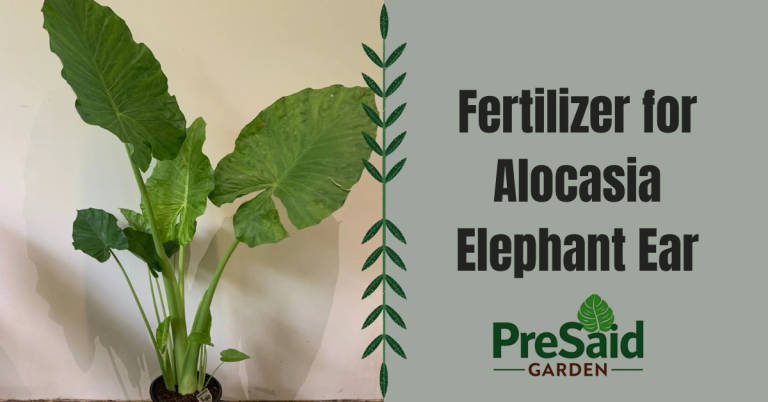
9. What fertilizer schedule works best for Alocasias in Nigeria’s climate?
Fertilize monthly during active growing season (April-October) using diluted liquid fertilizer at half recommended strength. Reduce to bi-monthly during transition periods (March, November) and stop completely during dry season dormancy (December-February). Nigerian soils often lack trace nutrients, so choose balanced fertilizers with micronutrients.
10. How do I prevent pest problems common in Nigeria’s humid climate?
Implement weekly plant inspections, focusing on leaf undersides where pests hide. Clean leaves regularly to remove dust that attracts pests. Use neem oil treatments bi-weekly as prevention. Maintain good air circulation around plants. Quarantine new plants for 30 days before introducing to collections.
Conclusion: Your Journey with Alocasias in Nigeria
Growing the perfect Alocasia plant to grow in Nigeria rewards patient, observant gardeners with stunning tropical beauty. Our country’s natural advantages make success achievable for growers at every experience level.
Start with proven varieties like Polly or Amazonica to build confidence and skills. Gradually expand your collection as you understand your specific microclimate and growing conditions.
Remember that every region within Nigeria offers unique opportunities and challenges. Coastal growers enjoy natural humidity advantages, while inland cultivators develop resilience and seasonal growing expertise.
Connect with Nigeria’s growing community of Alocasia enthusiasts through social media groups and local plant societies. Share experiences, trade propagations, and learn from collective wisdom.
Your success with these magnificent plants contributes to Nigeria’s expanding horticultural knowledge. Document your journey, share your discoveries, and inspire the next generation of Nigerian Alocasia growers.
Whether you’re nurturing a single specimen in a Lagos apartment or managing a collection across multiple Nigerian cities, these plants reward dedicated care with unmatched tropical elegance. Your adventure with Alocasias in Nigeria starts now.
About the author: Lucas William has cultivated Alocasia plants across Nigeria for over 10 years, helping thousands of growers achieve success through Lexivo Garden’s comprehensive plant care resources at lexivo.com.ng